In an era defined by constant connectivity, wireless communication has become both a powerful tool and a potential vulnerability. From smartphones and Bluetooth devices to drones and IoT systems, signals are everywhere. As a result, the need to manage and sometimes restrict these signals has grown significantly. Technologies such as the signal blocker jammer are increasingly being discussed as part of broader strategies to ensure privacy, security, and operational efficiency in specialized environments.
The concept behind signal control is not about disrupting everyday communication without reason, but rather about creating controlled spaces where signals are either limited or entirely restricted. For instance, in high-level business meetings, legal consultations, or research facilities, the presence of uncontrolled wireless signals can pose a serious threat. In such cases, tools like the cell signal jammer can help maintain a secure environment by preventing unauthorized transmissions, ensuring that sensitive discussions remain confidential.
Beyond corporate settings, educational institutions and examination centers are also exploring signal management solutions. Unauthorized access to mobile networks during exams can lead to unfair practices, making controlled signal environments essential. By implementing structured signal restrictions, administrators can create a fair and focused atmosphere for all participants. This is another example of how a signal blocker jammer can be applied in a practical and responsible way.
- A particularly notable device in this category is the JAX-Q5 - Full-band Bluetooth signal blocker, which is designed to address the growing reliance on short-range wireless technologies. Bluetooth-enabled devices, including hidden microphones or unauthorized recording tools, can easily compromise privacy if left unchecked. By targeting these specific frequencies, this device offers a more refined approach to signal control, allowing users to focus on particular risks without broadly disrupting all communications.
- In parallel, the rapid rise of drone technology has introduced a new dimension of security challenges. Drones are now widely used for photography, delivery, and even surveillance. However, in restricted zones such as military bases, airports, or critical infrastructure sites, unauthorized drone activity can pose serious risks. A signal blocekr for drones can interfere with the communication link between the drone and its operator, effectively neutralizing potential threats and helping maintain controlled airspace.
As these technologies become more advanced, their applications are also expanding into everyday scenarios. For example, some individuals seek to reduce digital distractions in personal spaces, such as during family time or in designated quiet zones. While this use case may seem less critical than industrial or governmental applications, it reflects a growing awareness of how constant connectivity can impact focus and well-being.
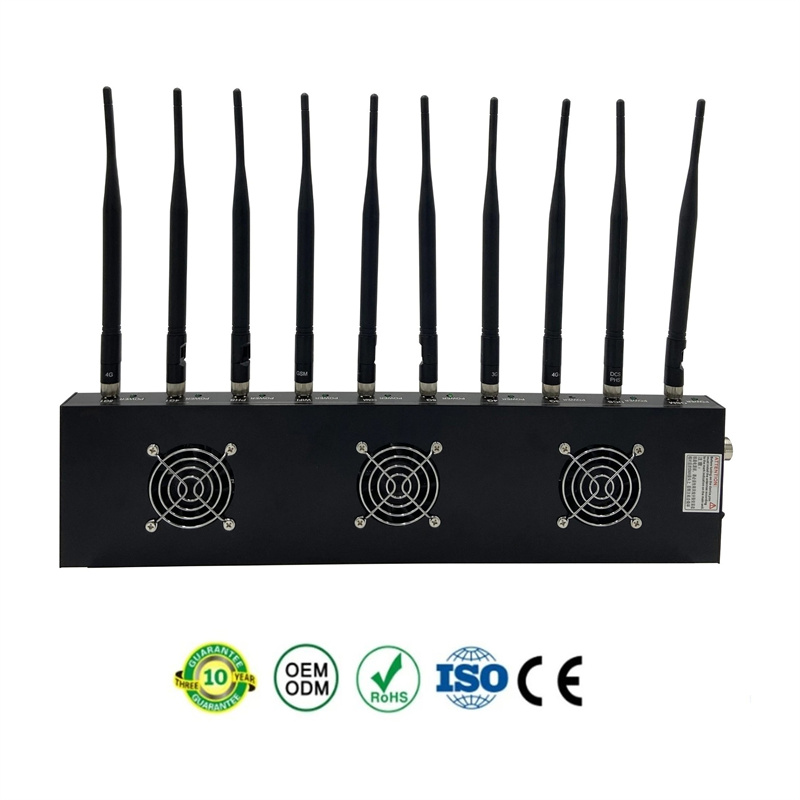
However, it is essential to emphasize that the use of signal control devices is subject to strict regulations in many regions. Unauthorized deployment can interfere with emergency communications, public networks, and essential services. Therefore, anyone considering the use of a cell signal jammer or similar device must first understand the legal framework in their area and ensure compliance with all applicable laws.
Another important consideration is the balance between control and accessibility. While restricting signals can enhance security, it can also limit legitimate communication if not implemented carefully. This is why modern solutions, including advanced versions of the signal blocker jammer, are increasingly designed with precision and adaptability in mind. Users can often adjust frequency ranges or power levels, allowing for more targeted and responsible usage.
Looking ahead, the future of signal management will likely involve smarter, more integrated systems. Instead of standalone devices, we may see signal control embedded into broader security infrastructures, working alongside surveillance systems, access controls, and network monitoring tools. Innovations in this space could make technologies like the JAX-Q5 - Full-band Bluetooth signal blocker even more efficient, discreet, and adaptable to different environments.
At the same time, the ongoing development of drone technology will continue to drive demand for specialized countermeasures. As drones become more autonomous and capable, the role of a signal blocekr for drones will evolve as well, potentially incorporating AI-driven detection and response mechanisms to handle increasingly complex scenarios.
In conclusion, signal control technologies are becoming an integral part of modern security and privacy strategies. Whether used in professional environments, educational institutions, or restricted airspace, tools such as the signal blocker jammer, cell signal jammer, JAX-Q5 - Full-band Bluetooth signal blocker, and signal blocekr for drones offer valuable solutions when applied thoughtfully and legally. As our world becomes more connected, the ability to selectively manage that connectivity will remain a critical aspect of maintaining both security and balance.
https://www.jammermfg.com/all-jammers.html